



The hype surrounding “digital transformation” and “cloud technology” is impossible to ignore. However, as a leader, I needed more than just buzzwords—practical knowledge and a clear path forward. I recently completed the “Digital Transformation with Google Cloud” course to better understand leveraging cloud technology for business value. The course demystified the complexities of cloud computing. It equipped me with the knowledge to lead an organization through a successful digital transformation.
So What: The course was structured around key topics, providing a comprehensive framework for understanding and implementing digital transformation with Google Cloud.
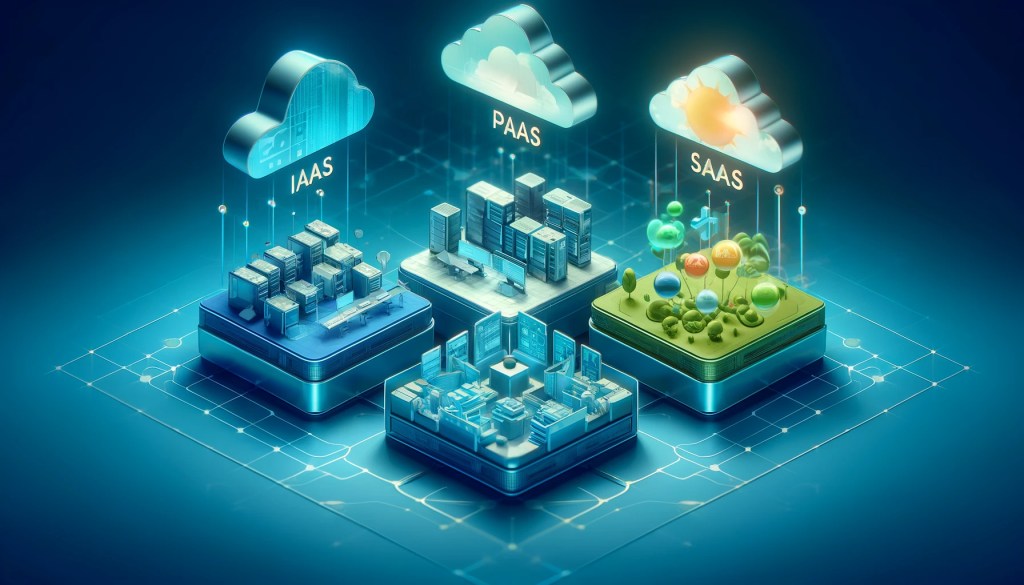
1. Cloud Computing Service Models: Migrating to the cloud isn’t just about choosing a provider – it’s about selecting the right cloud computing model for your needs.
- IaaS (Infrastructure as a Service): With IaaS, you gain access to on-demand computing resources like servers, storage, and networking, but you manage the operating systems, applications, and data. It’s like renting a fully equipped kitchen – you choose the ingredients and create the menu. Google Compute Engine is an example of IaaS. Loblaw’s use of Compute Engine to enhance its e-commerce platform highlighted the flexibility and scalability of this model.
- PaaS (Platform as a Service): PaaS takes care of the underlying infrastructure, so the primary focus is building and managing your applications. Think of it as having a pre-built restaurant space; you bring your chefs and recipes. Google App Engine is a PaaS offering.
- SaaS (Software as a Service): Unlike Iaas and Paas, SaaS delivers software applications online. You access and use the software, but the provider manages everything else, from infrastructure to maintenance. It’s like dining at a restaurant—you choose from a set menu and enjoy the experience. Google Workspace (Gmail, Docs, etc.) is a prime example of SaaS.

Your organization and the cloud provider share responsibility for managing various aspects of the cloud environment. The chosen computing model directly impacts this division of responsibilities.
- On-premises: In a traditional on-premises environment, your organization manages everything: hardware, software, data, security, and everything in between.
- IaaS: With IaaS, the cloud provider manages the physical infrastructure (servers, storage, networking), while your organization manages the operating systems, applications, data, and security settings.
- PaaS: PaaS further shifts responsibility to the provider, who manages the underlying infrastructure, operating systems, and runtime environments. You manage the applications, data, and security configurations.
- SaaS: SaaS represents the highest level of abstraction, where the provider takes on the most responsibility, managing the infrastructure, operating systems, applications, and data security in many cases. You are primarily responsible for user access and data management within the application.
2. Total Cost of Ownership (TCO): This module provided a crucial understanding of the financial implications of moving to the cloud. The shift from capital expenditures (CapEx) to operational expenditures (OpEx) was a key takeaway, allowing organizations to optimize costs, scale resources efficiently, and eliminate significant upfront investments.
3. Private, Hybrid, and Multi-Cloud Strategies: This section explored various cloud deployment models, emphasizing the importance of choosing the right strategy for your organization. I learned about private clouds (managing your infrastructure), hybrid clouds (combining on-premises and public cloud), and multi-cloud strategies (using multiple public cloud providers). Each approach has pros and cons, and a clear understanding of these strategies is essential to making informed decisions about cloud architecture.
4. How a Network Supports Digital Transformation: This module underscored the vital role of a robust and high-performing network in digital transformation. We explored Google Cloud’s global infrastructure, its extensive fibre optic network, strategically placed regions and zones for low latency, and the concept of edge caching for content optimization. Understanding networking concepts like bandwidth, latency, IP addresses, and DNS gave us the foundational knowledge to make informed decisions about our network architecture and ensure a seamless user experience.
- Network Performance Metrics: The course explained critical metrics such as bandwidth and latency. Bandwidth measures the amount of data sent over a connection in a given time and is crucial for data-intensive applications. Latency refers to the speed at which data is transferred following instructions, vital in scenarios requiring real-time data access, such as voice communications or gaming.
- Types of Networks: Various network types were discussed, including public and private networks, Virtual Private Networks (VPNs), and Content Delivery Networks (CDNs). Each serves different business needs, from enhancing security to improving global access to content.
- Google’s Global Infrastructure: The course highlighted Google Cloud’s investment in a vast global network, including subsea cables and edge networking. This helps reduce latency and increase data transmission reliability across different geographic locations.

To effectively leverage cloud computing, it’s crucial to:
- Understand the nuances of each cloud computing model: Carefully evaluate your organization’s needs, technical expertise, and desired level of control to determine the best model for your specific use case.
- Prioritize security and compliance: Regardless of the chosen model, security and compliance remain paramount. Ensure robust security measures comply with relevant industry regulations and data privacy laws.
- Develop a Tailored Cloud Strategy: Craft a strategy aligned with your organizational needs and goals, considering cost optimization, scalability, security, compliance, and industry-specific requirements.
- Champion Cloud Adoption: Advocate for cloud technologies, demonstrating their potential for innovation, agility, and cost savings to build a cloud-centric culture.
- Invest in Continuous Learning: Prioritize ongoing training and development for your team, ensuring they possess the expertise to leverage cloud advancements and navigate the ever-evolving digital landscape.


Leave a Reply